
You are using an out of date browser. It may not display this or other websites correctly.
You should upgrade or use an alternative browser.
You should upgrade or use an alternative browser.
WTB: BW-65 Gear Switch (61311359541)
- Thread starter shigeta
- Start date

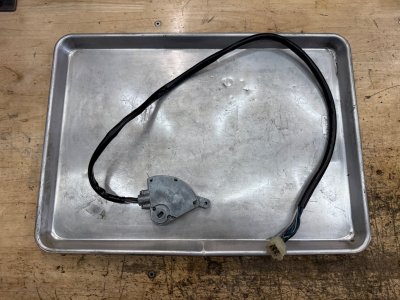
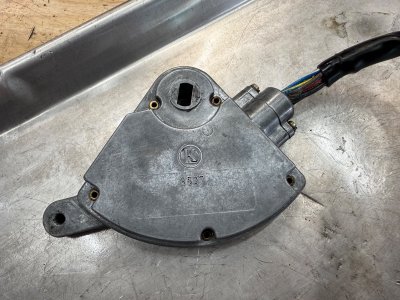
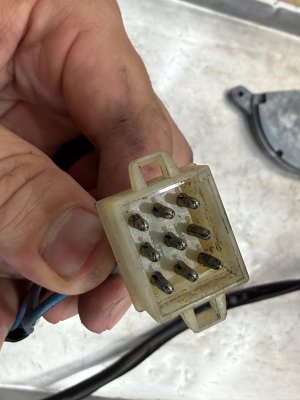


Found it. One of the tabs on the connector is broken. My recollection is that the connection lays under the console on the transmission tunnel, so it doesn't get disturbed once its plugged in. I'm pretty sure you could just run with this connector as is. You could always put a zip tie around the connection once its plugged in just to be extra safe. $50 plus shipping. Message me with your address and I'll get you a total including postage.
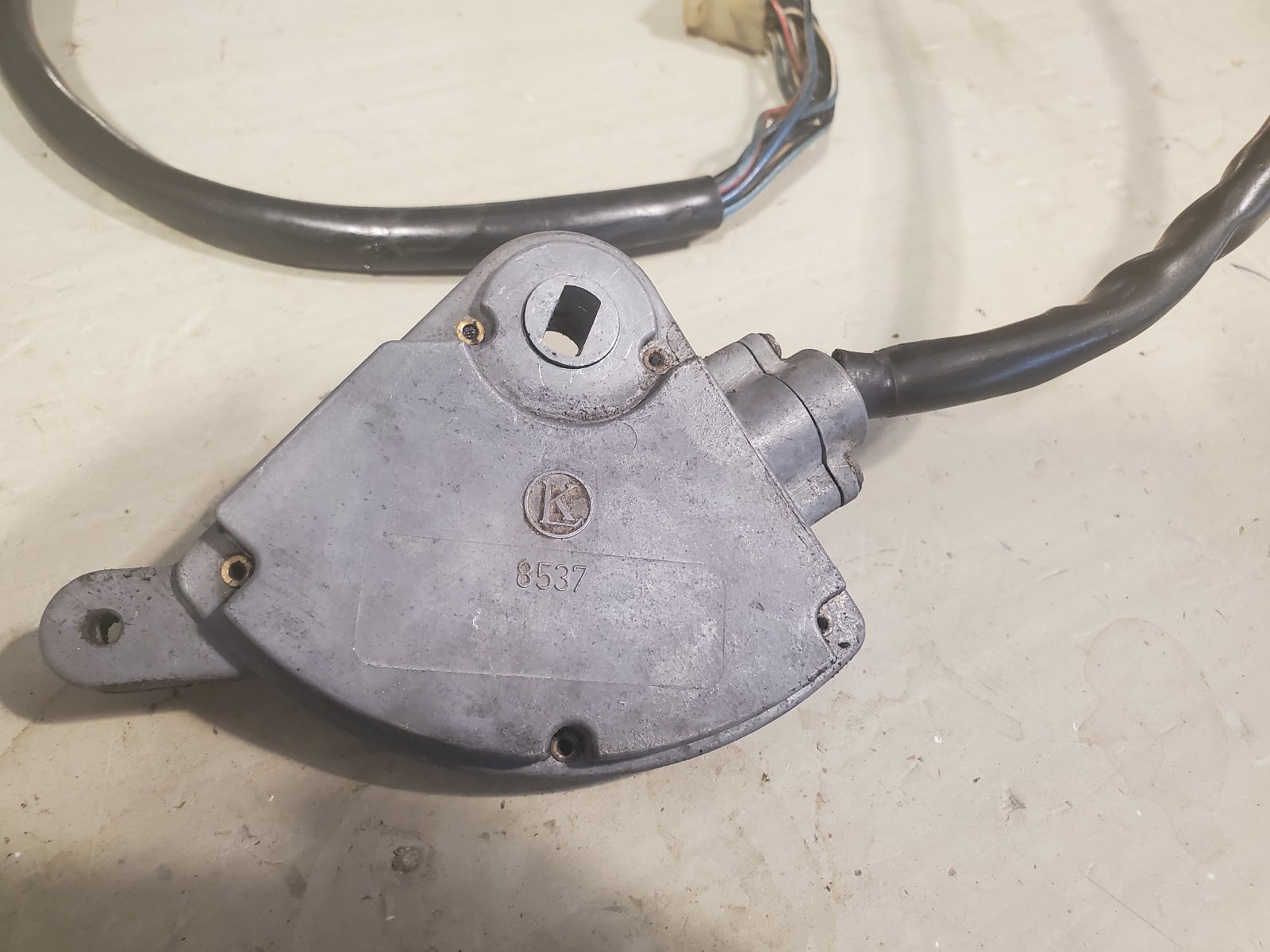
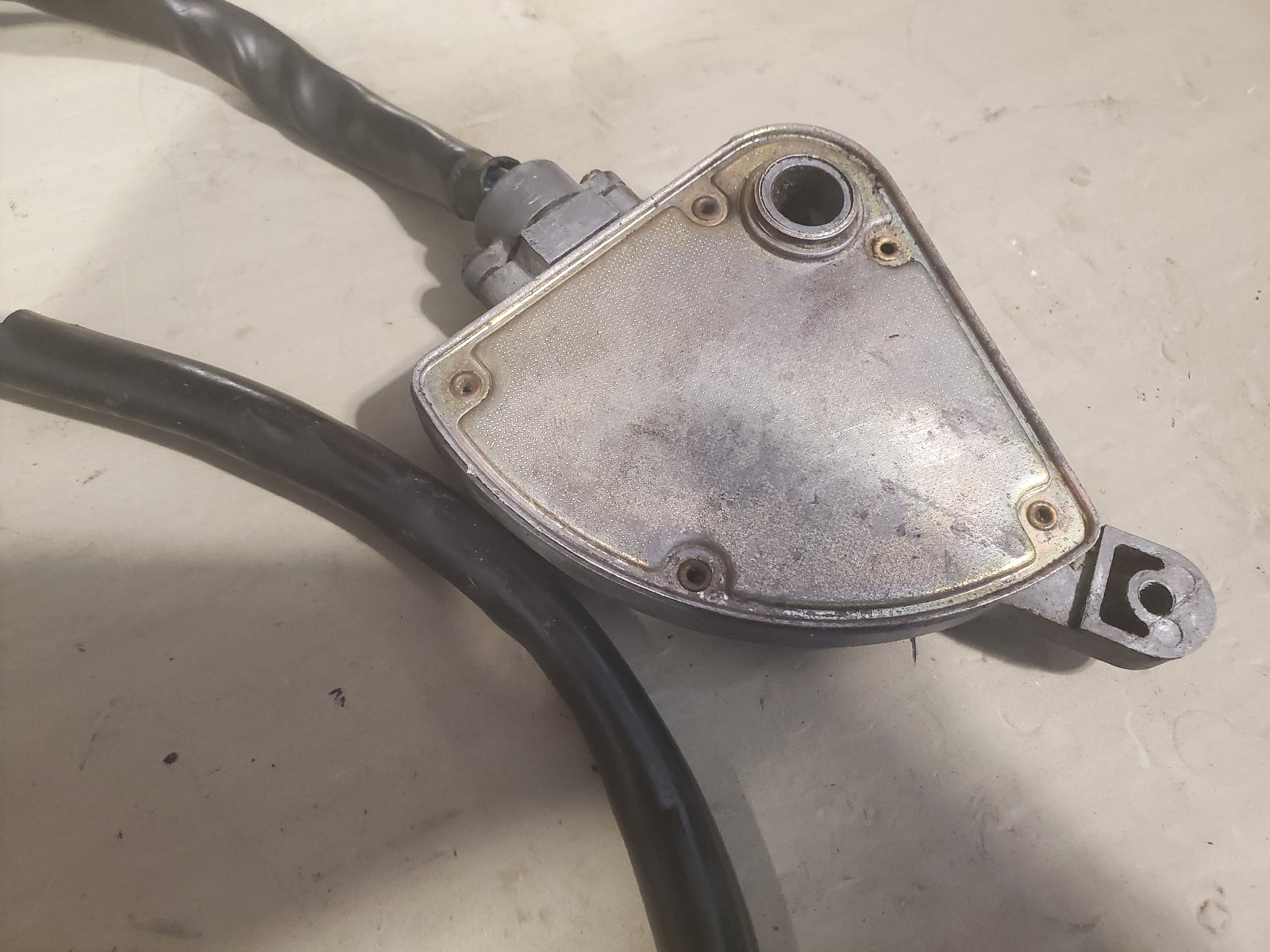
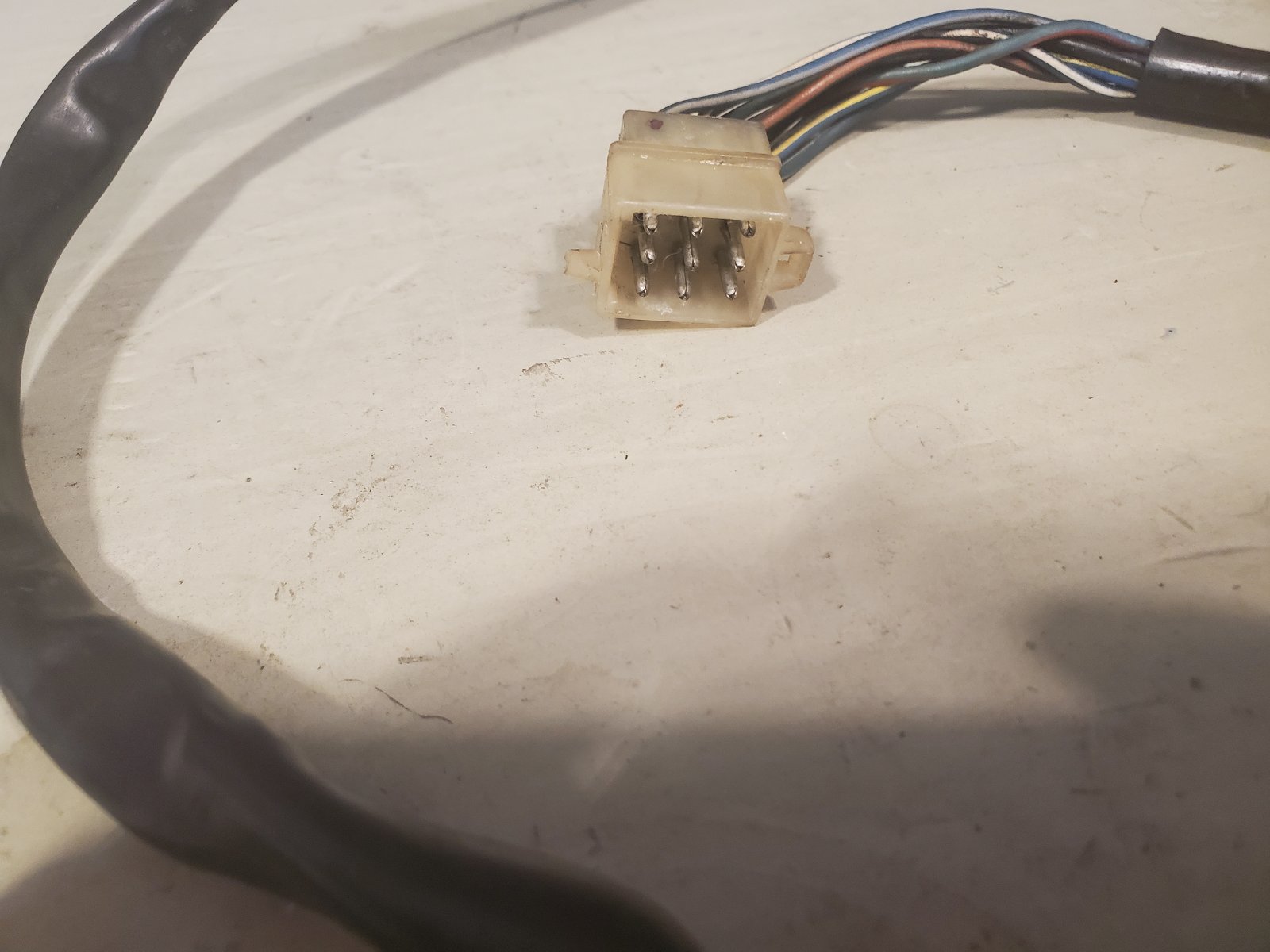

those tabs are notorious for being broken ...

What is the symptom your old one is showing you? I would open that thing up and have a look inside. You may be surprised how easy it may be to get it back to factory spec. Good luck and report back!
I've opened up and repaired some of the little stuff on my car (the emergency flasher switch comes to mind), but this particular switch doesn't just snap apart. It is held together with five rivets that would need to be drilled out in order to get it open. And you don't know whether a visual inspection will identify the problem. And even if you find something upon visual inspection that needs to be bent back into place, or soldered or replaced (which would entail sourcing a replacement part), you likely would need to know how current is supposed to flow through this baby in order to test whether your repair was successful. So, you need an electrical diagram and test equipment to make electrical measurements. Then there is the issue of getting this thing back together properly. It appears you either need to replace the rivets and/or source very small nuts and bolts to get the thing back together. I have a rivet gun, and a supply of rivets, but nothing this small. And I have a pretty good supply of nuts and bolts, but again, I doubt I could readily come up with a set of five nuts and bolts small enough to reassemble this part.What is the symptom your old one is showing you? I would open that thing up and have a look inside. You may be surprised how easy it may be to get it back to factory spec. Good luck and report back!
I guess now that shigeta knows where to find a replacement, he might want to risk tearing into his part and seeing what happens. I'm here if that doesn't work out.
For me, I would really like to have a look. Got nothing to lose. I would drill out those rivets, tap a thread, replace with screws and some Locktite, but it remains to be seen, what is going on inside. That's why I was curious about the offending symptom.I've opened up and repaired some of the little stuff on my car (the emergency flasher switch comes to mind), but this particular switch doesn't just snap apart. It is held together with five rivets that would need to be drilled out in order to get it open. And you don't know whether a visual inspection will identify the problem. And even if you find something upon visual inspection that needs to be bent back into place, or soldered or replaced (which would entail sourcing a replacement part), you likely would need to know how current is supposed to flow through this baby in order to test whether your repair was successful. So, you need an electrical diagram and test equipment to make electrical measurements. Then there is the issue of getting this thing back together properly. It appears you either need to replace the rivets and/or source very small nuts and bolts to get the thing back together. I have a rivet gun, and a supply of rivets, but nothing this small. And I have a pretty good supply of nuts and bolts, but again, I doubt I could readily come up with a set of five nuts and bolts small enough to reassemble this part.
I guess now that shigeta knows where to find a replacement, he might want to risk tearing into his part and seeing what happens. I'm here if that doesn't work out.
Thanks Ohmess, I'll shoot you a PM with my details. I have some of those connectors in-stock, so a repair will be possible.
In case anyone encounters broken connectors at this junction, the chassis side of the harness uses the following:
In case anyone encounters broken connectors at this junction, the chassis side of the harness uses the following:
- 1x Plug: TE 1-480274-0 (DigiKey link)
- 9x Socket: TE 60619-1 (DigiKey link)
- 1x Receptical: TE 1-480277-0 (DigiKey link)
- 9x Pin: TE 60620-1 (DigiKey link)
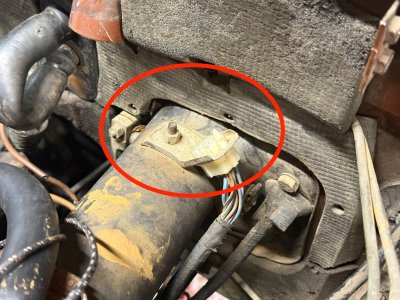
For any future travelers reading this thread, the connection between the chassis harness and the transmission gear switch is made on top of the brake booster tube next to the firewall, just underneath where the coolant expansion tank sits.My recollection is that the connection lays under the console on the transmission tunnel, so it doesn't get disturbed once it's plugged in.
Attachments
Last edited:
The switch that I removed from my transmission was mostly working, as far as the critical function is concerned (starter safety interlock) but the reverse lights only worked if you wiggled the shift lever just right.
I did open up my switch to see if it was repairable. I have a pretty decent capacity for reverse-engineering/prototyping/repair, but unfortunately it was worn beyond an easy fix, so I'm going to use the switch from Ohmess to get my coupe back on the road.
Then, using the components from my switch as a donor, I plan to design and manufacture a solid-state, drop-in replacement that should be significantly more reliable since it won't have physical contacts to wear down over time.
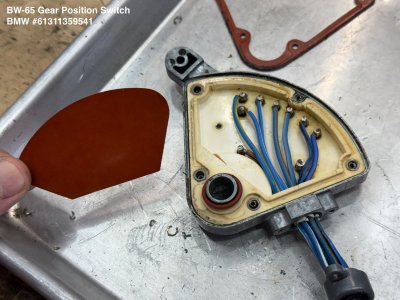
I'll detail everything in a dedicated thread, but in the meantime, I've attached some shots of the inside of the BW-65 gear selector switch, BMW #61311359541
(Worth noting that the ZF 3HP switch has a slightly different body, but I'm not sure if the internals are the same. If anyone has a non-working donor that they'd like for me to dissect and reverse-engineer, I'd be more than happy to dig in & document. According to RealOEM, I believe it's BMW #61311350469)
I did open up my switch to see if it was repairable. I have a pretty decent capacity for reverse-engineering/prototyping/repair, but unfortunately it was worn beyond an easy fix, so I'm going to use the switch from Ohmess to get my coupe back on the road.
Then, using the components from my switch as a donor, I plan to design and manufacture a solid-state, drop-in replacement that should be significantly more reliable since it won't have physical contacts to wear down over time.
I'll detail everything in a dedicated thread, but in the meantime, I've attached some shots of the inside of the BW-65 gear selector switch, BMW #61311359541
(Worth noting that the ZF 3HP switch has a slightly different body, but I'm not sure if the internals are the same. If anyone has a non-working donor that they'd like for me to dissect and reverse-engineer, I'd be more than happy to dig in & document. According to RealOEM, I believe it's BMW #61311350469)
Attachments
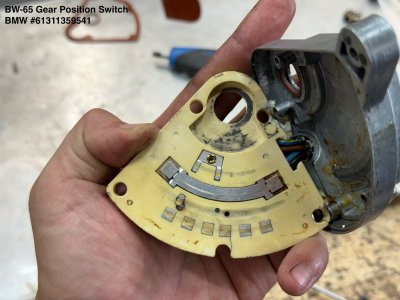
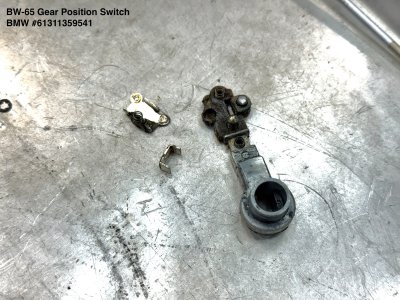
Last edited:
Ah, photos! Thank for posting these. Good info. Couple years ago I finally adjusted my switch. When in park, if I did not move selector just right, car would not start. Left it for years as a sort of built-in shut off switch. Could not start the car unless the shift lever was moved a couple of mm. Eventually got under the car and did a lot of measuring and followed manual instructions for adjusting the lever angle to exactly match up with where switch contact should be to represent each gear. Worked as new, ever since.
shigeta - Love DigiKey; also use Mouser and/or Newark, but I must admit it takes me quite a while to find Tyco connectors. They allow far too many parameters I don't fully understand in the search.
Thx for the correction on the location of the connector. I did my transmission swap ten years ago and didn't correctly remember that.
As to the creation of a digital alternative for this particular part, I would think there are lots of them laying around given the number of five speed conversions that are done on our cars. By way of example, I have another one. But its a cool project nonetheless.
Thx for the correction on the location of the connector. I did my transmission swap ten years ago and didn't correctly remember that.
As to the creation of a digital alternative for this particular part, I would think there are lots of them laying around given the number of five speed conversions that are done on our cars. By way of example, I have another one. But its a cool project nonetheless.

The switch can be repaired by the PCB insert in a shape of original one with plastic reinforcement to keep original thickness. Once greased with specialized chemistry it can work for years.shigeta - Love DigiKey; also use Mouser and/or Newark, but I must admit it takes me quite a while to find Tyco connectors. They allow far too many parameters I don't fully understand in the search.
Thx for the correction on the location of the connector. I did my transmission swap ten years ago and didn't correctly remember that.
As to the creation of a digital alternative for this particular part, I would think there are lots of them laying around given the number of five speed conversions that are done on our cars. By way of example, I have another one. But its a cool project nonetheless.
In the past it was so called "hard gold" used for contact switches, but also tin on the thick copper should work to keep the cost low. Both can be done currenlty with no technical problems but gold plated contacts would be the most expensive from all options.
So, its interesting to me that some of the folks here know how to replace some of the functionality in parts of our cars with PCBs. I don't know how to do this, but would like to encourage those of you who do to push ahead and find other candidates for these types of conversions.
Good point! My motivation is two-fold:As to the creation of a digital alternative for this particular part, I would think there are lots of them laying around given the number of five speed conversions that are done on our cars. By way of example, I have another one. But its a cool project nonetheless.
1. Spirit of experimentation
2. Preservation of accessibility for future generations of owners
The physical contacts will always wear out; many are well past their prime these days. My coupe has 99k original miles and my switch was already very worn. Eventually, NOS will dry up, and if someone is determined enough to have an automatic, they’ll need a switch that works. I’m curious to see if I can refactor it to be solid state, which should be much more reliable as it won’t have physical contacts to wear out or grease to gum up over time.
As Krzysztof pointed out, a more mechanical solution is a completely sufficient solution, especially with modern grease chemistry. My pursuit of a solid state solution is purely a learning experience.
The switch can be repaired by the PCB insert in a shape of original one with plastic reinforcement to keep original thickness. Once greased with specialized chemistry it can work for years.
In the past it was so called "hard gold" used for contact switches, but also tin on the thick copper should work to keep the cost low. Both can be done currenlty with no technical problems but gold plated contacts would be the most expensive from all options.
Ah, that’s helpful context! I’m a software engineer by trade; I just play electrical engineer for fun as a hobbyist

In the case of my switch, both the contact board and the mechanical wiper (is “wiper” the correct term here?) are worn down. As such, if I made a new PCB with traces to replicate the original, I’d also need to re-manufacture the spring-loaded wiper. Certainly not a bad path. In fact, probably easier than a Hall-based circuit.
Honestly, now I’m curious to explore both paths! Need more free time to tinker…
Some solution use encoders, still mechanical.
For some cars optical barrier is used but dirt can limit the operation.
I could even prepare such a PCB but I do not have the "specimen" for that purpose.
Intermediate step (but not as precise as having the part at hand), maybe someone could make a scan of the contact plate with the ruler (to reference the scale). I'm open to prepare such a design for testing.
If Anyone would be interested in support and testing, let me know (e.g. PM me)?
For some cars optical barrier is used but dirt can limit the operation.
I could even prepare such a PCB but I do not have the "specimen" for that purpose.
Intermediate step (but not as precise as having the part at hand), maybe someone could make a scan of the contact plate with the ruler (to reference the scale). I'm open to prepare such a design for testing.
If Anyone would be interested in support and testing, let me know (e.g. PM me)?